
Have a service question? Explore garage door services and local service areas, or call to discuss the next step.
The same symptom can mean different work
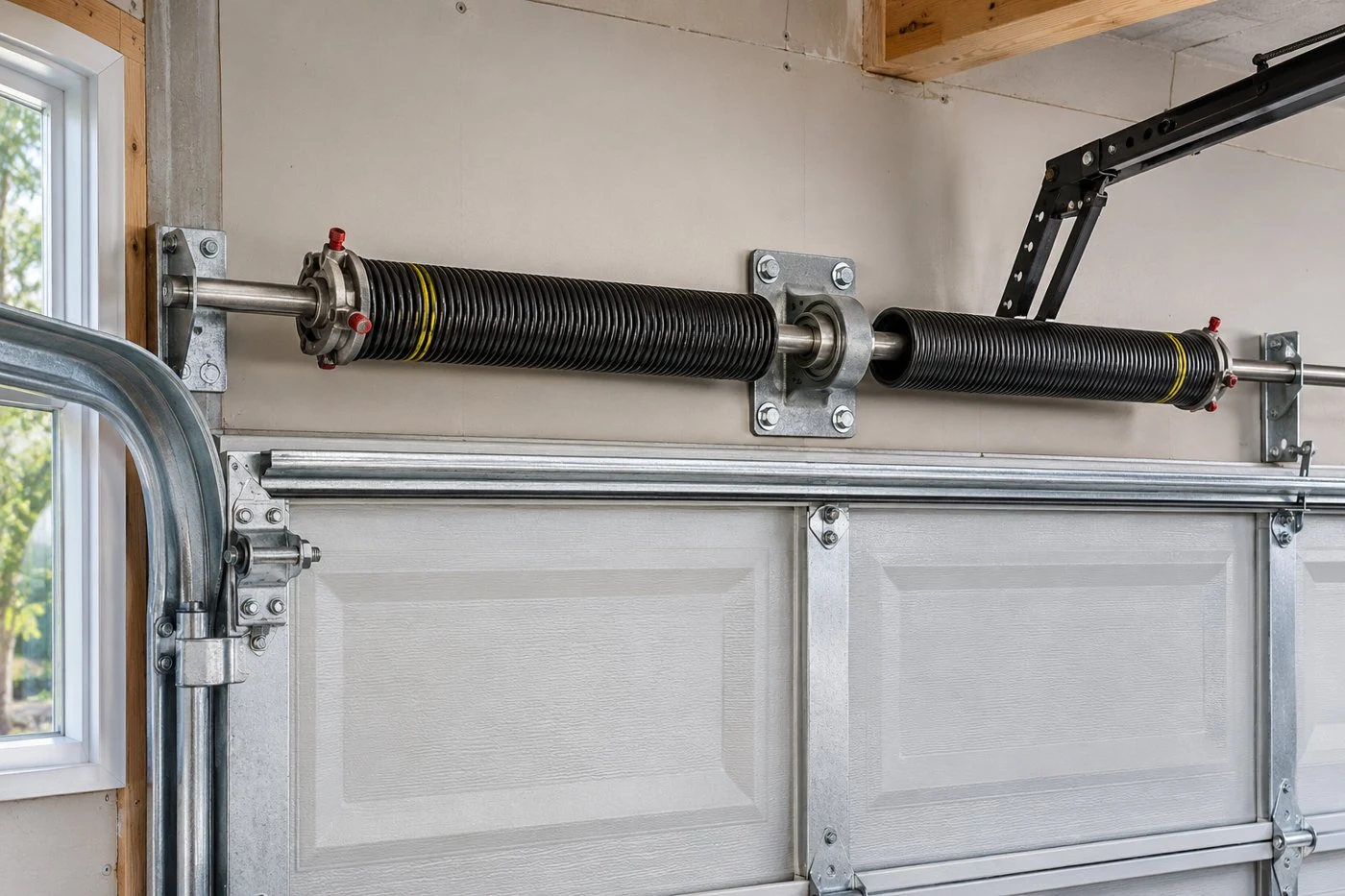
A garage door that stops halfway is a description, not a parts list. The cause may involve the lifting system, a damaged track, an obstruction, controls or more than one component. That is why a useful repair conversation starts with what happened and the position of the door. A motor that sounds normal does not prove the operator is healthy, and a visible panel dent does not prove the problem is confined to the panel. Explain the whole sequence once, then leave an unstable assembly out of use rather than testing it again.
Build a short symptom history
Think about the last time the door worked normally. Was there an impact, an unusual bang, a power interruption or work near the opening? Did one remote fail while the wall control continued to work? Has the door become uneven or unexpectedly heavy? These details are more useful than guessing a component from a photograph online. Note earlier repairs if you know them. You do not need to remove covers, climb to labels or inspect cables to prepare the history.
Put the opening and daily use in context
For a garage in Wilmington and selected New Castle County communities, explain the access route and the way the building is used. An attached garage with occupied rooms nearby raises different questions from a detached storage space. Low headroom, ceiling storage, a shared drive and a garage without another entrance are practical details to mention. If the request follows an impact or work on the driveway, say so. These observations help frame the scope without asking you to inspect loaded hardware or make a diagnosis.
Separate access needs from the repair decision
A car trapped inside and a door that cannot secure the garage create practical concerns worth explaining early. Mention another entrance and any shared driveway or rear lane. These details affect the conversation about access and scheduling, but they do not change the need to assess the equipment. Do not force the opening, prop up a damaged panel or pull the release on a raised or unstable door. Keep people and vehicles clear while the next step is being discussed.
Ask what the assessment will cover
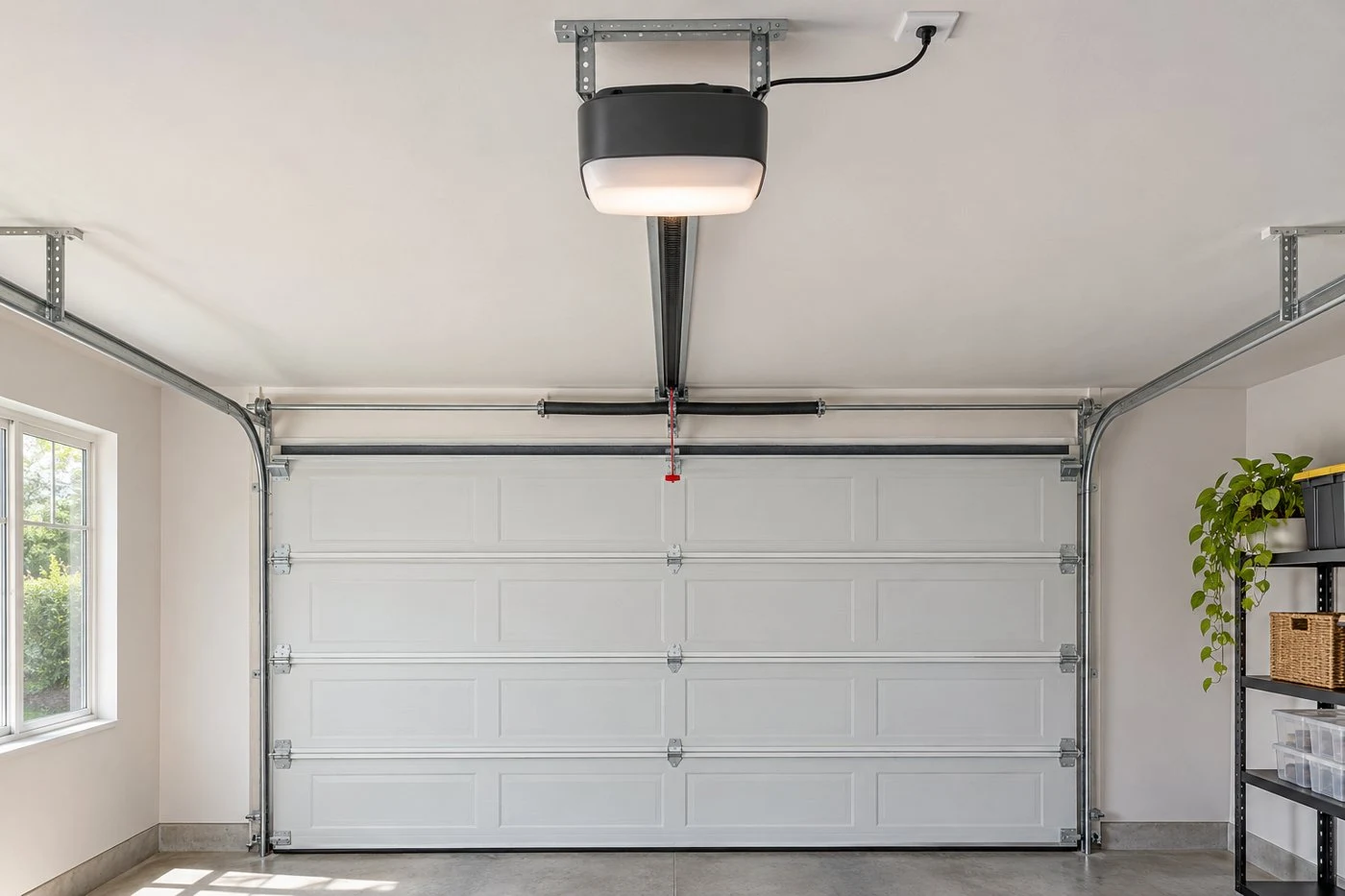
The useful question is not simply which part will be changed. Ask how the complete door, lifting hardware and operator will be considered, what caused the observed symptom and what remains serviceable. If replacement is raised, ask what makes it worth discussing for this assembly. An isolated control issue and broad wear across several systems are different situations. Clear scope also includes what is retained, any follow-up information needed and the checks associated with returning the door to normal use.
A practical way to finish the conversation
Before arranging an appointment, confirm the service request, property access and how timing will be agreed. Keep any information for the exact installed models together for later reference. This is a call-first process: explain the problem, ask the questions that matter and understand what comes next. If new symptoms appear or the door becomes unstable, stop use and describe the change. A conversation is useful even when you do not know the component name.
A short checklist for the conversation
Have five things ready: the door position, the change you noticed, any safely visible model information, access restrictions and the question you want answered. Separate urgent access needs from preferences for a future upgrade. Ask which parts of the system need assessment and what would be retained or changed. Confirm the service scope and appointment timing by phone. This guide is for recognition and planning; it is not an instruction to adjust springs, cables, loaded fixtures or safety systems.
Further reading
DASMA garage door system safety
CPSC: automatic garage door opener safety
Follow the instructions for the exact door and opener. This guide supports recognition and planning; leave loaded hardware and safety-system work to a suitable assessment.